New Ultra-Black Coating Could Enable the Search for Life on Exoplanets
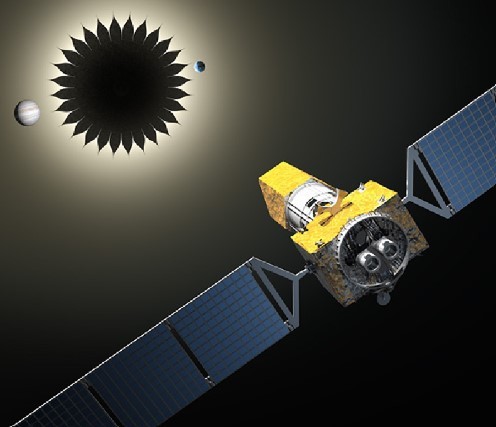
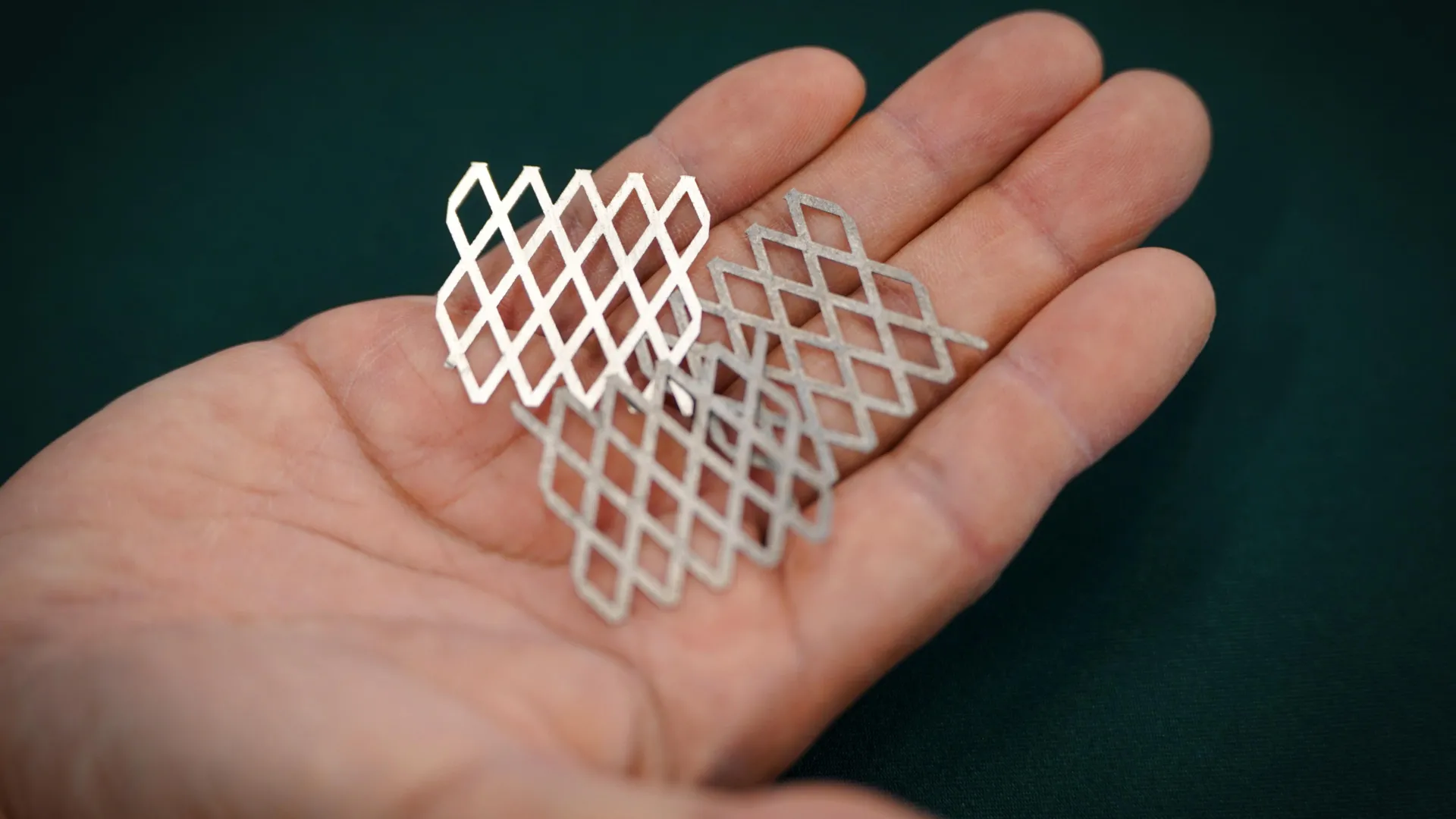
NASA tested an ultra-black coating for starshade edges. JPL saw about 20x less reflected light on 50-centimeter blades. That matters because stray sunlight can hide exoplanets from telescopes. If the process scales, starshade imaging gets much closer to reality.
Key points
- It is 100 times thinner.
- JPL measured about 20x less scatter from coated blades.
- The coating uses resonant nanoscale cavities, not thick nanotube mats.
- ZeCoat’s roll-to-roll process now covers meter-wide polyimide membranes for NASA.
- That could make starshades practical enough for exoplanet imaging.
This is one of fifty stories I surfaced this week from Surface — a tiny slice of the full feed.